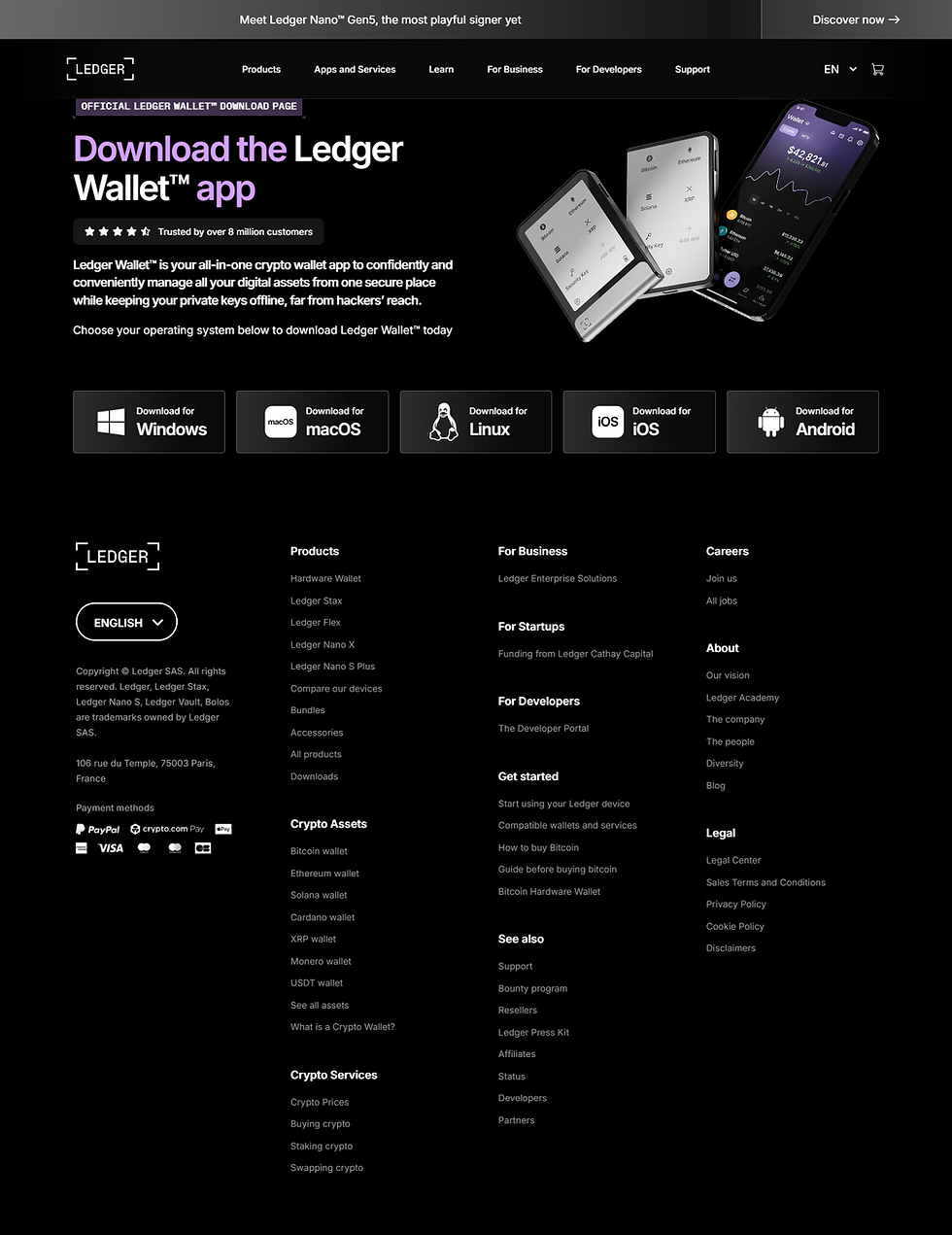
Mastering Crypto Security: The Definitive Guide to Getting Started at Ledger.com/start
In the world of crypto, owning your assets means more than just buying them. You hear stories all the time—exchanges get hacked, and people lose everything overnight. But what if you could keep your Bitcoin or Ethereum safe from those threats right from the start? That's where self-custody shines. Holding your crypto on an exchange is like leaving your cash with a bank that might lock the doors without warning. Self-custody, especially with a hardware wallet, puts you in full control.
Common headaches like phishing scams and lost passwords plague many new users. They lose funds because their keys sit online, easy for hackers to grab. Enter Ledger.com/start—the official spot to set up a hardware wallet that keeps your private keys offline and secure. This guide takes you through every step of the Ledger onboarding process. You'll learn how to protect your digital wealth with confidence. By the end, you'll know why Ledger beats software options and how to start strong in crypto security.
Why Hardware Wallets Trump Software Solutions
Hardware wallets change the game for crypto owners. They keep your keys away from the internet, slashing risks that software can't touch. Let's break down why this matters for your setup at Ledger.com/start.
Understanding Private Keys and True Ownership
Private keys are like the secret code to your crypto vault. They prove you own your coins without revealing the code itself. In hot storage, like on your phone app, these keys stay connected online. Hackers love that—they can steal them with malware.
Cold storage flips the script. Your keys live on a device that never touches the web. "Not your keys, not your crypto" boils down to this: if you don't control the keys, someone else might take your funds. To make it real, always generate and store your keys yourself. Never trust a third party fully. Start by visiting Ledger.com/start to get a device that handles this offline.
The Superiority of Ledger's Secure Element Chip
Ledger devices pack a certified Secure Element chip, rated CC EAL5+. This chip acts like a fortress for your keys—it resists physical attacks and tampering. Most cheap wallets use basic microcontrollers that crack under pressure.
Third-party audits back this up. Firms like ANSSI have tested the chip and found it holds strong against side-channel attacks. In 2025 reports, it scored high for protecting against brute-force tries. Compare that to software wallets, which rely on your computer's security. A virus could wipe them out in seconds. Ledger's chip keeps things locked tight, even if your setup gets compromised.
Real-World Security Scenarios Prevented by Ledger
Think about malware sneaking onto your laptop. It grabs keys from a software wallet in a flash. With Ledger, keys stay isolated on the hardware—no chance for that theft.
SIM swapping hits mobile users hard. Attackers hijack your phone number to reset accounts and drain funds. A hardware wallet sidesteps this since keys aren't tied to your phone. Another case: keyloggers typing your passwords. Ledger skips typing altogether; you confirm on the device screen. These examples show how Ledger.com/start setup blocks threats that catch others off guard. Users sleep better knowing their crypto stays safe.
Navigating the Ledger.com/start Ecosystem
Diving into Ledger.com/start feels straightforward once you know the ropes. This official page leads you to legit tools and devices. Avoid fakes by sticking to verified paths—it's your first win for security.
Identifying Official Resources and Avoiding Phishing
Phishers mimic sites to trick you into fake downloads or seed reveals. Always type Ledger.com/start directly into your browser. Check for the green padlock— that's your SSL certificate showing it's real.
Look for clean design with the blue Ledger logo and no weird pop-ups. Official pages load fast without grammar slips or urgent warnings. Here's a quick checklist:
-
URL starts with https://ledger.com/start exactly.
-
No redirects to odd domains.
-
Contact support only through the site footer, not random emails.
This habit keeps scams at bay from day one.
Selecting the Right Ledger Device for Your Needs
New users face choices like Nano S Plus or Nano X. The Nano S Plus holds up to 100 apps and connects via USB—great for beginners on a budget, around $79. It suits long-term holders who plug in rarely.
Nano X adds Bluetooth for wireless use, storing up to 100 apps too, but costs about $149. Active traders love it for quick checks on the go. If you hodl Bitcoin mostly, go Nano S Plus. For Ethereum DeFi plays, Nano X fits better. Both shine in the Ledger.com/start process—pick based on your daily crypto flow.
The Initial Unboxing and Physical Inspection Checklist
Your Ledger arrives sealed tight. Break the tamper-evident bag carefully; any tears mean return it fast. The box should feel light, with no extra weights inside.
Inspect the device: screen clear, buttons firm, no scratches. It ships without a PIN or seed— that's your job during setup. Use this list:
-
Check seals on box and bag.
-
Verify contents: device, cable, recovery sheet, guides.
-
Ensure device powers on with a clean Ledger logo.
A pristine unbox sets a secure tone. If anything looks off, contact Ledger support right away.
Step-by-Step Setup: From Device Pairing to PIN Creation
Now comes the fun part—getting your Ledger live. Follow these steps at Ledger.com/start for a smooth ride. Patience pays off here; rush it, and you risk mistakes.
Installing Ledger Live and Initial Device Connection
Head to Ledger.com/start and grab Ledger Live—the free app that manages your wallet. Download for Windows, Mac, or Linux from the official link only. Run the installer, then plug in your device with the included USB cable.
The app detects it automatically. If not, update drivers or try another port. Common fixes: restart your computer or use a different cable. Once connected, the screen lights up— you're paired. This links software to hardware without exposing keys.
Generating the Recovery Phrase (Seed Phrase)
Power on your device and follow prompts to create a new wallet. It spits out 24 words—your seed phrase. Write them down on the provided paper, in order, away from any screens or devices.
Never type them into a computer. Industry pros recommend fireproof safes or split storage in secure spots. Lose this phrase? Your crypto vanishes forever. Test it later by resetting the device and recovering— but only in a safe space. This step locks in your backup for life.
Setting and Confirming Your Secure PIN Code
Pick a PIN of 4 to 8 digits—make it tough but memorable. Enter it twice on the device to confirm. Wrong entry three times wipes the device, so no sweat if you mess up; just start over.
The PIN guards the hardware; seed recovers everything. Keep it secret—don't share with anyone. After setup, the device asks for PIN each time you use it. This double layer beats software logins hands down.
Installing the First Cryptocurrency Application
With basics done, add coins to your wallet. Ledger Live makes this easy, but confirm everything on the device. This keeps control in your hands.
Understanding Applications vs. Accounts in Ledger Live
Apps on Ledger are like mini-programs for each coin—Bitcoin needs its own. Install them on the hardware first. Then, create accounts in the software to track balances.
Without the app, you can't send or receive that crypto. It's a safety net; each app runs isolated. Start with one, like Bitcoin, to get the feel.
The Process of Installing the Bitcoin Application
Open Ledger Live and go to the Manager tab. Search for Bitcoin, then click Install. Your device screen asks to approve—use buttons to say yes.
The app downloads to the Secure Element, taking a minute. Watch the progress bar in Live. To check success:
-
Device shows app icon.
-
Live lists it under installed apps.
If it fails, reconnect and retry. This confirms your first coin is ready.
Creating Your First Receive Address
In Ledger Live, pick your Bitcoin account and hit Receive. Verify the address on the device screen— it must match exactly. Share this public address freely; it's safe.
Never send to an unverified spot. For Ethereum, same drill—install app, generate address. Use it to buy your first sats securely.
Best Practices for Long-Term Secure Management
Setup is just the start. Good habits keep your wallet ironclad over time. Build these into your routine now.
Maintaining and Verifying Your Seed Phrase Integrity
Store your seed in a metal plate for fire resistance. Split copies across safe spots, like home and a bank box. Never snap a photo or save digitally—hackers hunt those files.
Every few months, verify words match by reciting from memory. If you move, update storage. This simple check saves headaches later.
Recognizing and Responding to Security Prompts
Transactions trigger device reviews. Check the address, amount, and fees on the screen before tapping approve. If details look off, cancel it.
Blind approvals lead to losses—always eyeball the full info. Prompts also pop for app installs or updates. Trust only what you see on hardware.
Updating Firmware Safely
Ledger Live notifies you of firmware updates. Connect your device and follow steps— it flashes new code without touching your seed. Only update from official prompts; skip shady sources.
After, test a small send to confirm all works. Updates patch bugs, so stay current. In April 2026, the latest version boosts Bluetooth fixes on Nano X.
Conclusion: Your Foundation for Crypto Sovereignty
You've covered the essentials of Ledger.com/start—from picking a device to securing your seed. Key moves include trusting the Secure Element chip, writing your recovery phrase offline, and setting a strong PIN. These build a wall around your assets.
Now, take that first step to self-custody. Visit Ledger.com/start today and claim control over your crypto future. No more worries about hacks or lost keys—you're the boss of your digital wealth. Stay vigilant, and watch your portfolio grow safe and sound.